Why AI and Tech Mean Nothing Without People | Grit in the Boardroom
Ask about Grit in the Boardroom
Episode Description
The boards that define the next decade won't just govern platforms. They will govern people. Nneka Abulokwe OBE reveals the human side of tech risk.
In an era dominated by AI, cyber threats, and rapid digital transformation, many boards make a fatal mistake: they focus entirely on the technology and forget the people running it.
In this episode of Grit in the Boardroom, Erika Eliasson-Norris sits down with Nneka Abulokwe OBE - a FTSE and Private Equity board veteran, digital change expert, and leading voice on ESG. Together, they pull back the curtain on why board effectiveness relies on absolute intimacy with your organisation, not cold distance from it.
What You’ll Learn
● AI Literacy & Human Oversight: How to guide your company through digital change before the technology outpaces your strategic decision-making.
● The Human Cost of Cyber Risk: Why high-stakes strategy and modern risk management require deep empathy, not just compliance checklists.
● The First 90 Days: What new board directors must prioritise immediately (and why humility is your greatest asset).
● Governance as an Enabler: Moving your board from a "back-office restriction" to a competitive strategic advantage.
Chapters
00:14 - Introduction: Erika Eliasson-Norris introduces the guest, Dr Nneka Abulokwe OBE.
00:42 - Board Experiences: Discussion on serving on listed company boards versus advisory boards.
05:10 - People-Centric Governance: Dr. Nneka explains what people-centric governance means and how it links human oversight with data and technology.
10:07 - AI and Boardroom Governance: How AI is transforming business, why human decision-making can't be abdicated, and managing AI literacy in the boardroom.
17:32 - Implementing Cultural Change: How organisations can treat their workforce as an asset and make employees feel heard.
21:09 - Accountability for Governance: Breaking down who is responsible for corporate, operational, and project-level governance.
23:21 - Over-governance and Regulation: A discussion on bureaucracy, the impact of regulation on innovation, and managing corporate crisis situations like cyber attacks.
29:15 - Humanity in Tough Boardroom Decisions: Facing the emotional toll and human casualty of corporate restructurings and redundancies.
36:57 - Diversity and Inclusion: Viewing difference as a strategic enabler, pushing past "box-ticking," and building inclusive ecosystems.
40:09 - The Power of Allyship: Cultivating a culture of speaking up for others and lifting all tides within an organization.
47:04 - Advice for New Board Directors: Key steps, focus areas, and navigating the interpersonal dynamics during your first 90 days on a board.
51:43 - Outro: Erika summarises the key takeaways regarding AI, modern boardrooms, and allyship.
About the Guest Nneka Abulokwe OBE is a pioneer in governance and technology. Her foundational doctoral research into outsourcing governance proved that people are a company’s primary success factor, a conviction she now brings to FTSE-listed and private equity-backed boards.
About the host Erika Eliasson-Norris is Chief Executive Officer (CEO) of Beyond Governance and Governance Assessor to the United Kingdom’s Post Office Horizon IT Inquiry.
About Beyond Governance Beyond Governance provides on-demand company secretarial support, governance advisory, and governance training to boards, Company Secretaries, and General Counsel. Beyond Governance help organisations strengthen governance, manage risk, and support critical projects without the need for permanent hires. Learn more here: https://beyondgovernance.com
Read the full transcriptHide the full transcript
- You cannot abdecate decision-making and that emotion you have with the organization to technology or AI. When
- you talk about emotional intelligence, it's not about the sort of touchy-feely. No, it's about having a finger on the
- pulse of your organization. Joining a board can be a daunting thing, especially if it's your first rodeo,
- your first board. Welcome to Grit in the Boardroom. I'm Erica Iliesan Norris. Today, I'm joined
- by Dr. Neka Abolekwe OBE. Neka, welcome to Grit in the Boardroom. Thank you. A pleasure to be here. Lovely to be here
- with you as well today. Um let's get into it. Thank you. If you could if you could quietly observe any boardroom,
- which board would you choose to step into or be a fly on the wall of and why? Hm, that's an interesting question.
- Um I serve on a variety of boards, you know, so governing and non-governing and advisory boards and um they all bring
- very different things to the table. If I was on a hop if I was to say, I would say possibly a listed company
- board. And because of the layers of governance and the guardrails that we find in
- listed company boards. Um it's always been quite an interesting one for me. Um I joined a listed company
- board um 4 years ago and the first year was pretty much getting my head around, you know, the
- governance and things and settling into it. You know, you usually have times where you settle into things.
- And um it's been incredibly insightful, really insightful. Just it's a lens into
- a different world, very different from an exact role, you know. And I found that the other boards I've been on are
- to a varying degree. But, you know, so if I would say the listed board was at one end of the spectrum and then the
- other sort of vary. But, it is it's been exposure into um the capital markets, You know, it's been
- exposure into a very different and would I say, um, regulated way of governance. What do you
- think you've taken from your other boards into that FTSE, um, listed environment? Oh, the other
- boards, I mean, the other boards are they are advisory boards, so international advisory boards.
- And you see, I would urge anyone who is looking to do a board career to sit on those kind of boards
- because the insights you get from those boards, the people you're on I mean, you're serving on the boards with, you
- know, these are international, so you have an international audience from so many disparate backgrounds. You know, so
- you're getting the best I mean, I'm on the on the the board of visitors for the Ashmolean
- and that is on that is the Ashmolean Museum, University of of Oxford. That gives me a rich insight, you know,
- I did my first degree in history and archaeology, so that is something that I know. That was really, really dear to
- me. So, all the objects digitizing the entire collections and all of that, so that's something different. And on the
- international advisory board for Cranfield School of Management and that is, um,
- people who have been through I mean, some some people are we're all Oh, are we not all alumni of Cranfield, but
- we've come from so many parts of the world from different disciplines, you know, on different boards at various
- stages of their careers and things like that. So, it's really been, you know, very, very useful useful, um, insights,
- useful, um, experience, useful, you know, understandings that I can take straight into my, you know, my my, um,
- boards on the private equity and the listed company boards, yeah. And for anyone that's interested in moving into
- that listed experience, sometimes it can be quite challenging and daunting, maybe, to step into those boards. How
- different have you found it to some of your other, like you say, international large boards?
- You see, what you're seeing is the tip of the iceberg, you see, and I mean with the with being on the listed board
- my board journey, I did an exec career right up until the management board of a company, Sopra Steria.
- And then when I left, I then went into the various institutes. So I did some work for the corporate governance
- institute. I did some work with the British Computer Society. And then I chaired the the
- nominations committee for ISACA, which is the the It's assurance governance and assurance and more into cyber
- into the cyber area. So I did things that were really within my area, but that was a really good way of cutting my
- teeth. And then transcended into different boards. And then I did my had my first board role with a private
- equity company, which was then small and had ambitions to grow, which is 5 years ago. And that has just been
- incredible. Halfway through that, I got my 2 years into that, I got my role with
- the listed company. So it's really been sort of a very gradual but a really good
- stepping stone into into that sort of into the getting to the listed boards and then sort of the exposure into
- public and private capital. >> [snorts] >> And then running organizations, you know. And with my perspectives on
- on governance, my perspectives are more around people, people-centric governance. And that is something that I
- hold very dear and something that was born from my research, my doctoral research into And that was My
- contribution was into the area of the governance of outsourcing. So that sort of put me into that area, which is very,
- very useful and very topical today. You know, we have with cyber, AI, you know, and boards and board
- intimacy. So it's really, really important here. And can you go into a bit more detail on
- that that people-centric governance? What does it mean? What What is What are you kind of saying there? Yes, so that
- is okay. >> [snorts] >> You see, I worked for I worked in IT services. So my my whole career or most
- of my career has been in IT services working for some of the large multinationals.
- And um I was a project manager. So, I started off as a project manager, which has been my pathway into the boardroom.
- So, it's not been finance. It hasn't been, you know, any of the commercial it was from my project management days.
- And um I was delivering projects, programs, you know, um global projects, really critical business-critical
- projects. And um and then I went into recovery, projects recovery and project assurance.
- And out of that um I started looking at what makes or what maketh successful projects.
- And then I started looking around and looking around in literature. And then I found the International Center for
- Project Management at Cranfield um School of Management, Cranfield University. And then um they were very interested in
- my my research topic. And then I started that. So, I was looking at success. And
- what happened was that throughout my four year I was doing this alongside my full-time role. So, I was looking at
- success factors within the delivery of technology projects, okay? So, working, you know, and then also effecting
- strategic change within the organization. So, global organizations, I was looking at the offshore onshore
- models, all of that. And what I found or what eventually came out of it was the thing I was looking at was governance.
- And it looked at people. So, people were the success factors for projects. Projects being the unit of analysis. So,
- you look at project governance. And then you look at operational governance. And
- then that also then boils into strategic, you know, or corporate governance. So, you find out that those
- companies that can align themselves or have that governance alignment starting from the person, you know, because you,
- me, and everybody else, you know, we come it's that collective. And how you then provide human oversight, you know,
- and then, you know, and how you realize the potential of your people within the organization.
- Now that it fast forward now in a board role, I mean, I am the the employee engagement director. You know, I chair
- responsible business committees, but that has been a golden thread throughout what I have done. So, it's always been
- with a focus and how you then engender that human capital to then begin to deliver and deliver your strategic
- objectives. So, it was it was quite an interesting study, the first that had been done in that area cuz I started as
- an analyst in the service in that same industry and then went from that into a project manager, senior project manager,
- program manager, um delivery director, and executive director, and now a non-executive director. So, so that has
- been my my thing. So, now I focus on um organizations that are um professional services,
- deliver service, and are people-oriented. And that has sort of kept me in good stead right through um to my OBE as
- well, which was given for um um for services to business. So, that has all sort of brought things um um
- um brought it all together for me. It's really interesting you talk about success factors with regards to that
- people-centric governance because there are so many people out there that wouldn't necessarily link the two. They
- would say governance is a back office function or it's just something about it's just
- how processes work and policies are written, but it's it's so much more than that, right? It's a strategic enabler.
- Absolutely a strategic enabler. And it's not you see okay, today we work in a regulated and some parts of the
- industry I work in are highly regulated. So, this isn't at odds with the regulation, but what we say is you need
- human oversight. And even with AI today, it's all around humans at the center of AI. So, AI makes
- the processes and and practices much more efficient, but then you have to have that human oversight and that human
- in the loop, even at the boardroom, you know, or in the boardroom. You have AI, yes, it can do all the summaries, it can
- do things, it can summarize meetings, it can it is absolute one of absolutely one
- of the things on the agenda and the strategic agenda, but you cannot abdecate decision-making
- and that emotion you have with the organization to technology or AI. You know, so it it really is that thing
- that holds people hold That's the way that holds things together, very much so. That's really interesting. There's
- definitely been some some thoughts around AI and AI directors and will we at some point have someone that sits
- There's AI that sits there and adds a an alternative perspective or a different voice.
- Um what what do you think? It is important. I mean, AI technological advancement in AI has outpaced even
- boardroom governance. It is hurtling. I mean, it is it is coming, okay? Is it a major threat? It depends on how
- you look at it. You see, technology in itself, as I said, is an enabler. Governance is the compass and people are
- the heart. So, when you look at it and that is exactly the intersection of where I sit.
- You see, so I look at the um from a technology lens. AI is here. AI is here to stay. AI is
- here to transform the way we do business, but in order for AI to be effective and of strategic value to any
- organization, it needs a complete cultural and transformational change within the organization.
- And that can be done together. So, you have to bring your people on board. The lifeblood that runs through any of the
- models is data. Data starts with you and me and all the the the the the processes, the
- practices. It informs all of that right up to the boardroom. The boardroom is there for holding or I
- mean I'm I'm talking about a listed company or even a a um a a private company. You're acting on behalf of your
- shareholders or your stakeholders. It could be investors, the shareholders, it could institutional, it could be retail,
- you know, investors. But you are there to then provide that oversight. Now, with AI, AI is here as I said is
- here to stay. Um there's been some fear around AI saying that AI is going too fast and it
- may I mean we we I mean it it may may be a bust like the dot-com bust. But because AI is such a galvanizing
- force, I don't believe that it will be a there will be a bust. I think it there may be a deflation or a sort of course
- correction where things settle. But I'm not one of those people who thinks that no no no there's going to be a bust and
- everything's all the investment we've done is all new Gucci. No, it is here to stay. There's a lot of capital and
- operational and cap cap cap capital expenditure as well as operational expenditure to get AI going. But it is
- and I can say that with AI it is a force for good. I mean it has other tentacles
- into cyber, it has other tentacles into other parts of the business. But as it stands and with the with in terms of the
- boardroom, you definitely need AI literacy and oversight in the boardroom especially [clears throat]
- to shape your strategy. Do you think that how do you manage I suppose governance before it kind of runs away
- with itself with regards to AI's that AI governance? Where do you where do you start because
- you do say AI is moving exceptionally quickly um and quicker than people can even, you
- know, try and catch up. How does an organization prioritize what's important with regards to AI
- governance and what isn't? You see, in the boards, you see, we talk we talk we often talk about the board room, yeah?
- And the board room is the highest governing body of any organization, okay? But you also have the committees as
- well. And the committees are the engine room of the board. And the committees now
- straddle both the board and the exec. And this is where a lot of the challenging and a lot of the
- conversations, I mean, that's why I say it's the engine room. Go on, okay? Now, it's incumbent on the board to
- understand that AI is here to stay and then set or put those guardrails around, okay?
- So, we have committees whereby we challenge the AI strategy as an example, okay? Because AI has come and as I said
- to you, it is outpacing business in itself. It is almost railroading us. And organizations have to stand up very
- quickly. And especially for execs, you know, execs, I mean, have to almost act like
- they know. And we as board directors as well have to either upskill ourselves very quickly or
- sometimes act like you know. But I've been fortunate to be around boards whereby it has been recognized
- that AI is really intrinsic or it's pivotal to our future direction. And for the future sustainability of the
- business. Also, in the environment in which we are, in which geopolitics plays a massive role in how
- organizations are run today, things like AI give us an it is the way because we have to
- in terms of things like profit and loss and all of that, it's not all around efficiencies. You know, it's all around
- organic growth. It's all around how then do you engender your human capital, your
- people again, to think innovatively, and then and then and to facilitate ourselves or
- grow ourselves out of this where we find ourselves today. You know, there's been there hasn't been very much
- growth. And the hope has been pinned on AI to get us out of there. So, how then do we
- square that circle? And how then do we then begin to build at scale solutions, technological or technology solutions,
- that really then grow the organization? So, when you talk about AI, you talk about the board, you talk about you can
- see the now the the threat about people. It's all around people. AI is there to amplify our minds, what we can do as
- people. You know, but it doesn't have the it doesn't have the ability to have that emotion and that decision-making.
- We take all of that, that processing power makes us much more quicker, better, faster, efficient, but then you
- have that human at the center to then make those decisions. So, for organizations today, we are
- organizations are having to sort of um to learn as they grow. You know, there's a lot of investment. Last year, there
- was a lot of investment in terms of proof of concepts and things like that. Now, we're deploying.
- You know, and we're moving at scale. So, things are moving along. I mean, the um the um the biggest growing companies
- in the states are all most of technology companies, you know, the Nasdaq and stuff. So, they are the growth engine.
- You know, so I think things will stabilize, but boards need to have the AI literacy, not just AI, cyber. Cyber
- is another big threat, because we use AI as a force for good. They AI to engender deep fakes as a
- source for bad to then topple what we kind of kind of things we do. So, it you see there's beginning you see that into
- the the linkage there there. So, it's really important that that we have that level of human oversight in the
- boardroom. And looking at the human kind of aspect, so as you say the the people-centric governance, how can
- organizations bring that into an organization? Perhaps they already have it. Um I always say that you know,
- governance is there whether it's being tended to or not. It it's there. Um how do you see it working to be that
- success factor? It's not easy, but it can be done. And it's a big cultural change within
- the organization, you know. I've seen it done very differently in in different organizations, but the moment
- you then begin to realize that your people are an asset, and you treat them as an asset, and you create an
- environment in which people can succeed, and you put the people agenda on the strategic arm.
- You see? And it is monitored, it is measured, you know? So, whatever is I always say to people whatever is on the
- revenue side of an a business, you know, if you're pitching, pitch it on the revenue side, you know? It will get
- attention. You know, it's not a drain on the business. It is part It is intrinsic
- to your strategy. If your strategy is to grow to become the biggest or the number
- one, your people are going to take you there. You know, if you have the right environment that engenders that and you
- make your people felt feel heard, and they feel heard and valued, you get that big you begin to get that
- critical mass, you know? And um I say and um I did an article with the um the the Governance Institute. It was
- called it is it's people first and the governance will follow. That was it that was the title of the article.
- And it talked about commitment being a very strong currency, you know, and almost trumping
- um compliance. It's not at odds with compliance, but when you have a committed workforce, and
- you have people who are committed and will put their chest to the wheel of an organization, the sky's the limit. I
- have seen it work in practice. I have seen cultural measures and even employee engagement programs every I mean every
- board I sit on I'm I'm quite vocal about this. I'm I'm I'm known for this. The You see, you're putting the employee
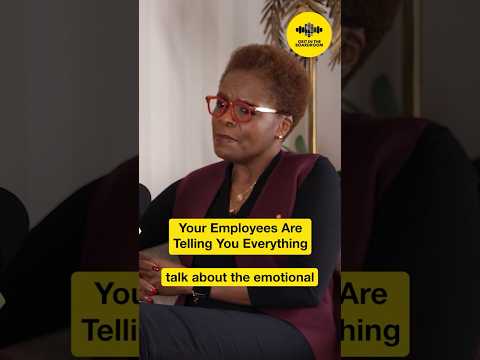
- engagement programs, the pulse surveys, you know, all these things are not just tick boxes. Yes. Your employees will
- tell you where the pain points are. You know, modern governance today, the modern boardroom calls for more intimacy
- between the board and the organization. You know, and it's that layer between that and it's how you manage
- that layer, and how you then ensure that it bubbles up to the committees, whether
- it's the responsible business committee, whether it's the audit and you you you have the oversight for risk, you know,
- you have audit and risk, whether the exact are remunerated in a way that then engenders you know, so it it's actually
- has tentacles into the remuneration. And then that also then has cross, you know,
- touch points with the responsible business and all these kind of things. So, it's quite an interesting
- mix at the board level. You asked me about the FTSE board. You know, it's quite a complex, but it it does make
- sense, you know, and when it is run well, and when it is recognized, and when it is then cascaded down through
- the organization, and the feedback comes back upwards through the organization as
- well, you have a meeting point whereby you're not just a board there to tick boxes, but you're there to listen and
- effect change. And this is where influence, which is a big I mean is is a big thing in the board, then shines
- through. Who should take ultimate accountability and responsibility for the governance of an organization, for
- implementing this? As I say, it starts with the unit, the person. You it is each and every one of us. I
- mean, if you go back to the the the origins of governance and stuff, it's all it's for the people, of the people,
- by the people, that kind of thing. But, within it is everybody. It is the responsibility of everyone. It's not the
- preserve of, let's say, HR or anything. We have to take individual accountability for our organizations,
- for showing up, for showing up as best as we can, the organizations for creating that environment in which we
- can show up, and we can be our best selves and do well. And the board also for then
- owning that, you know. So, the corporate governance is owned by the board. Okay? The operational governance is
- owned I mean or we hold the executive account. The board is held to account for the corporate governance by the
- shareholders, reporting to the shareholders. You know, we have the responsibility of appointing the
- executive the the the executive directors. But, also the operational governance is then you know, there's a
- line there's an alignment between the corporate governance, operational governance, and if that is then then
- that goes down to projects and everything. Because for every single project or program, I go back to my
- project management days. Projects deliver um output. Programs deliver outcomes. Those outcomes inform your strategy.
- So, the projects, the programs are all inextricably linked to the strategy of that organization. You don't have
- orphaned projects. So, when you then begin to think about it, then you then begin to think about even in in project
- financing and stuff. You do you or you're doing all the management accounting. You're then doing the
- financial accounting, which is then to the which is looking backwards. The management accounting
- looks forward. You're forecasting, you're budgeting, and things like that. And those kind of things are the key
- decision makers for the board to then use to then inform the markets and then our shareholders. So, it's all that
- whole thing that goes through, you know, so it's it is very important to understand that, yeah. Mhm. And do you
- think there's ever a time where you can over-govern an organization? So, too much bureaucracy, 100 million
- committees to agree to sign off someone's expenses. Have you experienced that before?
- >> Oh, yes. Yes. Yes. >> You look exhausted just thinking about it. >> even as I mean even when I was um during
- my as part of my career, you know, there is something and that can be I mean that
- can I mean you talk about analysis and paralysis but so paralysis by analysis, you know, that that those sort of
- things. Those kind of things come from too much governance, you know, and this is where I talk about in that in the
- article I talked about um um um um with the governance institute, I talked about something to do with
- lightning controls and giving human oversight, but not in heavily I mean not in highly regulated industries. So,
- where you have professional services and things like that. But you see it's it's
- a function of many many many things, you know, we have regulation and for a long time I mean regulation
- has almost been seen I mean that there there's some quarters where it's seen as almost punitive.
- You see, whereby regulation I mean of course you have policy, then you have legislation, and then you have
- regulation, okay? So, the regulators are there to enforce the law and we have to
- act in deference to regulation, okay? But sometimes and I see this happening and I hope that I mean we will reform
- the way we um just in terms of how we regulate business because sometimes it can dull
- one's creativity. You see, where you when you're working in a very black and white I mean it's
- it's on and off is binary. But when you then begin to stray into the areas, the gray areas, whereby
- there's a need for innovation, there's a need and always as we talked about it, um
- what do you call technology and technological advancement may an innovation, innovation in its truest
- sense, may also outpace regulation. So, regulation is tracking innovation. Now, those gray areas, where how well
- how do you play in that? You know, look at cyber as an example. In companies I've I've advised and I've
- been in companies that have been hit by cyber. It is it takes its toll and the emotional toll on an organization. I
- cannot tell you. Spare a thought for the execs because they are there working. But what happens sometimes is
- people don't realize that you have to go out, especially for listed companies, with things that are factually correct.
- This is more, okay? Yes, so and then, you know, and then in doing that, you have to be circumspect
- about how you go out to the market. Your people at the front end are there fighting your or working with your
- customers who are panicking, rightly so. You know, but that circumspection then breeds uncertainty. And sometimes, you
- know, you're not And then in the absence of saying things, of course, people will
- make things up. But that is in a sense regulation then almost dulling the capability of our being able to think
- our way out of a critical situation. You see, so this is sometimes where But I think that things are I think the
- regulate the regulators' position is softening now because what is happening again is that we now have enough
- companies. It's not about an if, it's almost a when. It would be foolhardy of any board to
- think that you're not going to be hit by cyber. But now there is it there are enough
- organizations that have been hit and I think the regulators are now understanding that, "Listen, you need to
- step back at some point and let you know let and let the organization understand
- where it is." And this is to my point whereby good practice informs policy, then policy then informs legislation,
- and then it becomes regulation. So, you see that whole feedback loop whereby you
- are building that excellence into the into the practice, the process, and how you safeguard companies.
- You're absolutely right. And with with the MAR regulations, the market abuse regulations, there's there are so many
- times that I've been in corporates, in organizations, listed organizations obviously that have to comply, financial
- services, and they are almost hamstrung to need to say something because the the
- monkey on their shoulder essentially is the after the event, if the share price moves significantly, then they could end
- up with um an investigation from the financial regulator coming in and asking why they
- didn't release an announcement earlier, coupled with the fact that as you say, going out to the market and saying
- something they're not 100% sure of equally could do the same the other way. Um absolutely, it's so difficult.
- >> It's so difficult, but then you have the regulators there, you have your shareholders, your institutional and
- your retail shareholders, you have your employees, you have your suppliers. It's
- a whole ecosystem, you know, and you're right in the middle of that trying to balance things out, trying to hold that
- tension. And it's there for the board to also support the execs. I mean, I have enough respect for any organization and
- and and execs that um um um that have been hit and the amount of work that goes on in the background that people do
- not see. You know, it is it is almost it is commendable. And off the back of that as
- well, we are we we're in choppy waters now, and um you know, there are times when
- we do good things, you know, there good things done and with across the business, we're moving the business
- forward and one thing can happen that steals a headline and it drowns out all the good stuff you're doing. So, you're
- you're you're consistently or you're continuously then sort of morale building, you know, trying to find that
- good story, that good win, that thing. You know, it's it's it's it's it's it's it's challenging times but very
- interesting times at the same time, yeah. Mhm, absolutely. I was really keen to start up this podcast for exactly the
- reason that you just said about bringing to light how challenging it is because from afar, depending on the level of
- communication and sometimes depending on the type of organization, leaders sometimes can, sometimes can't explain
- why things happened in a certain way and taking employees as a stakeholder group
- for instance, if there is mass redundancy or there are particular divisions that are sold or liquidated,
- whatever it might be, I've heard conversations with those type of employees saying, "They didn't care.
- I was just a number on a spreadsheet and it was just, oh, no, we don't need them.
- Bye-bye. Move on." And I know from being the other side of it in boardrooms that
- that isn't the case and although the decision may well need to be made, it's made with humanity and with thought and
- there is consideration the majority of the time for the communication style and how that's
- spoken about and there is sadness as well even within boardrooms that I've been in of feeling either personal
- failure or company failure or just disappointing whoever those people are and I think that's really important
- point that you just brought out there. You know, it's never easy and we can stand in judgement and I look back on my
- career and I look at the times when I would think, you know, delivering and I've been a a
- seen my um some teams crash and burn as well. You question what management are doing.
- You question how things are are going and you say to you and that is me saying to myself,
- you know, if I was in a position of authority and influence, I would do things entirely different.
- Fast forward today, that is still my watchword. It is still incumbent upon me as a board director and um even as a
- just as another human being to spare thought for the next person, you know, and how and for the employees as well.
- And know that um when we do things, there are human casualties, you know, and when when and we're we're
- now in times where it's all around the efficiencies and all around um how well and um how well we can generate either
- the revenue or the the top or the bottom line. And it's that thing in the middle,
- you know, where we then begin to take cost out and stuff. It has I um real, you know, implications for people. It's
- definitely a bit of a a story or a narrative going on at the moment um that successful technology businesses are
- ruthless, they're cutthroat, they're all about the money, uh particularly some of
- the big Silicon Valley players. >> [snorts] >> Do you think that they have to be or
- maybe it's even the perception they either created themselves or that is reality, but do you think that that is
- the only way to create high-performing culture and team? No, I don't absolutely not. It's not the only way. You know, it
- is a way. I do not subscribe to that way, but I believe in doing good business, okay, profitable business.
- But profitable business at what cost? Yes. >> this is where exactly conscientious
- business comes into it as well. Profitable business at the cost of your employees.
- There are times when needs must and when you find that you expend your expenditure, your spending as much as
- your and your revenue, you have investors. So, you then have to These are decisions that are all taken in the
- boardroom. You know, so what do we do in the best interest of the organization? And there are times when organizations
- are indeed inefficient and you know, you know, inefficient. And we have to find the efficiencies across the piece. This
- is not the preserve of the or this has happened or I mean I've I've I've grown up in the technology industry. You know,
- from one different I mean in different regions and stuff. And it's a cyclical thing as well. When times are good, you
- know, they're employing en masse. We don't remember that bit when organizations are employing en masse,
- you know. And when times are bad or when we have to, you know, we we were almost
- on the brink of a recession. You see and um we are still, you know, interest rates are coming down, you
- know, inflation as well. You know, it's not quite there as yet. You know, so we have these and we have
- all these business challenges that we need to do. So, sometimes it is necessary, but it's how it's also done
- as well. You know, when it when it when it is done in a way that is that takes the
- the um the employees into account as well. You know, and things are explained or
- then they're cascaded or you have those you have the lines of communication, you
- know, and very clear lines of communication and it's also done fairly. You see, not at the expense of one or
- disproportionately or things like that. When it is done fairly. Onto people, um you know, it's um
- it's it can be it's it's not an easy thing. It's not an easy thing for the board. It's not an easy thing for the
- exec, you know, it's not easy for the employees as well. But organizations have to succeed and
- organizations are there for a purpose. You know, to deliver services, to deliver good business, you know, how we
- ranked and how we measured on against our success. What is that success predicated on? You know, so it's it's
- all these things. So, it's not just a very simple thing whereby you say they're ruthless. I mean, and you know
- what? If there are unscrupulous companies like that that yeah, they may be, but I certainly do not agree with
- that um mode of management, not at all. It's also the approach that I've kind of
- always thought about that it isn't necessary to become a non-human to just see see people as
- numbers, whoever they are, whichever role they occupy, whether they whatever stakeholder group they might sit in.
- I think that that human bit of it is really important. >> It is. It is. And that feedback as well.
- You see You see, we think um you know, when you talk about the emotional intelligence, it's not about
- the sort of touchy-feely. No, it's about having a finger on the pulse of your organization, understanding the
- sentiment from your employees. And [snorts] that is such a great insight into your organization and the
- pulse, you know, the pulse of the organization. Do you have a finger on the pulse of that and your people? You
- know, and how well do you then respond to that? You know, this that that is a top table discussion. It is.
- Without your workforce, you're nothing. Yeah. Indeed. You know, so it's not it's no longer it
- is actually almost a strategic imperative. You know, as well that also bleeds into things like diversity,
- things, you know, it's it's it's all of those things in the mix. You know, and how then do you then build that
- competitive advantage? You know, because it's a highly competitive world out there.
- It doesn't necessarily need to be cutthroat. You know, but you can be competitive and you can run business in
- a conscientious way. And if you're purpose-led as well, if you have those, you know, those values, those core
- values that you instill, not just you model those values at the board level, but you it makes sure that you hold your
- executive accountable and they they exhibit those values or those behaviors, and that is cascaded down to the
- organization, that is how cultural change is is born. And then you get the feedback from, you know, so you cascade
- down and you get that feedback, you know, and then you begin to act on that. It is incredibly powerful when done
- well. And you just mentioned diversity. What do you see as diversity when you're
- talking about the boardroom? I think it's a key strategic enabler. And I think it's um it is it is a
- competitive advantage. It's those differences that become an asset to the company.
- You see, now just in in today's world where there is a where it's highly competitive,
- when is it ever good to have a proportion of um of your employee [clears throat] base
- disadvantaged? When would you not look to harness the potential in that, you know? So, whether it is
- females in the boardroom, whether it is ethnic minorities in the boardroom, that
- is what you can see, that is what is optically visible, but there's much more to it. And I say to
- people on a board and I would I mean I would love to get to a point whereby those differences are celebrated. And I
- say to people um a world I want a world in which it would be that I'm a technology,
- governance, you know, sustainability expert who just happens to be a black woman.
- But there in, you know, so would you then discount that because I look different?
- And don't get me wrong, you know, it is it's never easy because um um I know when I join I mean organizations
- when I join you know you you you you a lot of times I'm the lone ranger there. And um
- and I know I'm being assessed and I know and you know you you you want to get to
- the point whereby you are there in your substantive right sitting shoulder to shoulder with the
- next person. And what happens invariably is that um people then they begin they get past it
- quite quickly, you know, and then you're there as a substantive board director who has who has value to add. Um and my
- race or my gender should not have a bearing on what I have between my ears or the intellectual capital that I bring
- to the table. Now transcend um transpose that into the organization whereby you have a whole you know um a range of
- people from different parts of the world, different protected characteristics. And how that can be pulled together into
- such a powerful force for good. So we're not looking at our differences but we're
- looking at the strength that the collective bring to the table. And those organizations that can
- integrate that seamlessly into the governance, into the processes, into the practices, and into the um
- the the framework for how organizations work are those that will succeed. >> [snorts]
- >> You know, it's it's it's it it is a very powerful force. How can people avoid
- that I suppose like you say making someone feel like they're a box tick. I assume
- that the reason that this continues is the fact that people don't know any different not that they proactively go
- out of their way to be like that. So what do you think people can do practically to make people feel
- supported? >> Okay, there's a lot of discomfort around it. You know, even talking about it
- there's a little bit of discomfort around it, but um one of the biggest things for me is
- around allyship. And not just allyship in terms of speaking, so allyship in its quintessential, you know, in its its um
- um definition is yes, I mean, that lending your voice to that person who isn't there and stuff
- and you know, supporting all of that. But in speaking up for others as well. You know,
- if you see things that are going wrong, if you know that you have a really good colleague who has worked twice as hard,
- who is working hard but is overlooked for promotion, what stops Why when is it ever acceptable to say yes, I mean, this
- person is there and then yes, I'm being promoted and that's fine. When is it ever acceptable? I'll take that further
- and I'll take that to the organizational level. When you begin to bake in practices and
- build a culture that is predicated on allyship and you encourage that and you model that at the board level,
- you don't know the amount of people who have come up to me and saying just seeing a black female at the board level
- just optically alone gives me hope that I can aspire. You can see what you you know, you can
- be what you can see. So, if you then begin to build a system whereby it is acceptable
- to then and it is actually rewarded, you know, and you see people as your allies
- and you know that it is a fair and this goes back to the and the values of the organization, you know, your personal
- values, those intrinsic values and then you begin to then foster that across the organization,
- you know, it's a big signal. It's a massive signal. So, when you talk about people who are diverse and you tick box,
- you know, and I mean, I sit I serve on boards and I'm the I'm yes, I'm the the only black female, but I can tell you
- that yes, I am, but I have earned that position. You know, I have gone I have been
- through the you know, the the levels and you find that and I'm not alone. There are plenty of me out there.
- You know, who are just looking for that opportunity. And then the moment we begin to change
- our mindset, but it's for people like myself who are now there to then show and to open that door and to hold it
- open for the others and to be that advocate as well for others. You see, and not just others that look
- like me leveling that playing field. Something that we that that doesn't get enough
- attention is we all we ultimately look at the ascending voices, you know, the voices that you talk about, but think
- about the the dissenting voices as well. You know, those tell you things as well
- whereby you can then get to that point of almost coexistence where you have almost
- opposing diametrically opposing forces and then you find that middle ground, that center ground because what it is is
- not about displacing others. It's not a zero-sum game for one to gain, the other
- must lose. No, why can't the tide rise for all? You see, that [clears throat] is a
- powerful situation. That is potential within an organization. That is your competitive advantage.
- You see, so when you when when the tide rises for all or when you build equitable systems that that that then
- engender inclusivity. You see, so there's something about diversity. Yes, you get the bumps on
- seats. You get yes, you know, and diversity is not always visible optically visible. But the big thing
- there is inclusion. And then how do you then begin to build an inclusive ecosystem within your
- organization? Powerful when you get it right, but it starts from having those conversations.
- You know, that initial conversation and when you then signal that you are open to having those conversations can be
- such a massive force for good and for that momentum as well. Yeah. That's really powerful.
- And I think that what you said would be so useful for so many leaders to start to build [snorts] a different
- world. It's definitely Yeah, there's there's so many aspects of what you've said that I can experience
- myself. A lady once told me when I gave a talk, I was talking about my upbringing and my
- background and the fact that I came from an underprivileged working class background and had a very difficult
- education kind of process in order to be able to just fight to even just be able
- to get into school and to be able to do all those things and kind of move through the the education system. But
- one lady did say to me when I spoke about my past experience, she was not a white woman and she said, "But you have
- white privilege." And it was probably the first time that I really thought she's right.
- She's right. I I may not appreciate that that's what I have, but I do. And I think that's the piece that I have
- people need to reflect and I hadn't even thought about it. I don't wake up every
- morning and look at my skin color and think, "Look what color I am." It's just didn't even occur to me.
- Um, but I think when somebody calls you out on something and yeah, it felt really uncomfortable at the time because
- I kind of thought, "Oh my gosh, I've just offended loads of people more by not identifying that than what
- I'd actually said." But yeah, I think people need to open their eyes and realize that the world is how it is. And
- like you say, allyship is is a really strong part of it. See, but to that point as well, you see, I don't wake up
- either thinking that I'm a black woman and I'm disadvantaged. I think I'm a human being and I go in there, you know,
- in my own right as a human and why not? If not, why not? This is not a limiting factor. If anything, this is my this is
- me. This is my superpower. This is this is Neca. You know, so it's it's a it's a
- core part of me. You see, it's it it it is. So, when it is not or when it is a seen
- as a limiting factor or when it is when you're made to feel that it's a limiting
- factor, it can be really soul destroying, you know, especially when you are um you're you're you are a contributor.
- You have a lot to contribute, you know, and you have just as much or maybe even more than the next person to contribute,
- but you're discounted on factors that have no bearing on the intellectual capital you bring to the table.
- You know. Yeah, absolutely. Um and to close out, what would you say would be some valuable things for
- somebody to bring to the table if they're joining a board, maybe as a non-exec director, maybe a different
- sector or just a different step out, maybe it's their first um role. Maybe in the first 90 days, what would
- you say that they should really be thinking about and um working on? And joining a board can be a daunting thing.
- I mean, it it is daunting to the even to the most confident and especially if it's your first rodeo, your first board
- and stuff and um you know, it's I would say almost be kind to yourself. You will
- wobble. You know, any board or any position I've gone into, you know, the the first few
- days you're trying to Not even the first few days. I mean, the as you say, the ninth first 90 days or whatever, you're
- finding your feet. You're understanding your your building chemistry with others. Those relationships are really
- important and will put you in stand you in good stead moving on forward. But, I would say I mean it's not even a
- but, it's something that you bring your skills to the table. The modern boards these days or the way the boards are
- evolving commercial all the experience you've had as an or in your in your um commercial or your exact career
- comes to bear bring that to bear as well. You know, it's important you have relevant skills. Boards I mean they you
- know each um on the okay I got on the boards you you bring a particular um expertise or discipline to the board,
- okay? So, it may be HR in my own it but it was all my operational um experience, my technology experience,
- my governance experience. Others may be in finance, others may be in human resources, commercial, all those kind of
- things. But, it is for the right board it is relevant. So, go in there step up to the plate
- and bring your skills forth. You know, it's um I would say I mean and also on the
- softer side of things the higher you go in an organization the more exposed you you are to the
- elements of politics. And at the board level it becomes a bit more sophisticated and a bit more nuanced.
- Okay? So, the relationships you you build or you're able to build as part of your
- board or even getting in there is very very important. You know, I I remember when I um joined and in
- both I mean the private equity that any of the boards that actually I've been on
- and you are a bit trepidatious. You don't know what to expect, you know, and um and
- you go out you go in there and um you build the relationships. A lot of things are not necessarily
- agreed or rubber stamped at the board meetings that I talked about. You have committee meetings, you have you know,
- and it's those sort of strong interpersonal relationships, the integrity you take.
- You know, I say to people my integrity walks before me. It is what precedes me, you know.
- And also a big thing also is the humility you take into the boardroom. For me I found that
- I was in tutelage working with some really seasoned, you know, professionals that you learn things from. You know, I
- talked about the different boards I serve on, you know, the different things. You're taking things, you see
- some people you emulate the best. You know, you the the the the the is training but there other things that you cannot
- be trained for. There things that you will experience will teach you. >> [snorts]
- >> So you go in there and you're in some some sort of tutelage first, you know, you don't go in there and say where's my
- chairman role, you know, and this is where I'm I'm here, you know, no. No, there's um there's some element of
- that and then you go in there and then you sort of build your confidence, you know, I worked and then eventually I
- became a chair for committee, you know, and then you know, you you then begin to
- understand more about how the whole thing comes together. And um the relationships with the exec also matter
- big time, massively. Thank you very much. Thank you Nneka for all of your contributions today. It's
- been great to talk. Thank you. Thank you for having me. It's been a pleasure. It was great [music] to speak to Nneka
- today um and she covered some really interesting topics. One of the topics that really stood out
- to me was her discussion around AI. She spoke about how it was a force for good,
- how she doesn't think that AI will reach this peak and then bust. She thinks that
- it may step back a little bit, but it will always be there, and that the governance and the way that an
- organization runs is made more efficient by good use of AI. She also spoke quite a bit about the
- modern boardroom and what that looks like. She said that intimacy was needed more with regards to understanding what
- people need and what they want, that kind of human factor. She said that people decisions were always very
- challenging. And she also spoke about allyship with regards to diversity, having someone there that is
- speaking up for you, even if you're not in the room, and allowing leadership to [music] embrace that helps show those
- people that sit within the organization and external to the organization that you really care and you really mean what
- you say. And being able to do that, I think, is the start of making change across any organization with regards to
- culture and diversity. That's it for this episode of Grit in the Boardroom. Thanks to Nneka for sharing her story
- with honesty and insight, and thank you for listening. If you found this conversation valuable,
- please follow the show and share it with someone who leads through complexity. Until next time, [music]
- stay thoughtful, stay brave, and stay in the room.
Brief Summary
Dr. Neka Abolekwe discusses board governance, emotional intelligence, AI's impact, and the importance of diversity and allyship in organizations.
Key points
- The Importance of Emotional Intelligence. Emotional intelligence in governance is about understanding the pulse of your organization.
- Grit in the Boardroom Introduction. Erica Iliesan Norris welcomes Dr. Neka Abolekwe OBE to discuss boardroom dynamics.
- AI's Role in Governance. AI is a strategic enabler but requires human oversight in decision-making.
- The Complexity of Governance. Modern governance requires intimacy between the board and the organization, ensuring feedback flows both ways.
- Balancing Regulation and Innovation. Regulation can sometimes dull creativity, especially in rapidly evolving sectors like technology.
- The Human Element in Business Decisions. Decisions made in boardrooms often come with emotional weight, impacting real lives.
Episode highlights
- Grit in the Boardroom IntroductionErica Iliesan Norris welcomes Dr. Neka Abolekwe OBE to discuss boardroom dynamics.0:21May 20, 2026
- AI's Role in GovernanceAI is a strategic enabler but requires human oversight in decision-making.“You cannot abdecate decision-making to technology or AI.”9:54May 20, 2026
- The Complexity of GovernanceModern governance requires intimacy between the board and the organization, ensuring feedback flows both ways.“You're not just a board there to tick boxes, but you're there to listen and effect change.”21:01May 20, 2026
- Balancing Regulation and InnovationRegulation can sometimes dull creativity, especially in rapidly evolving sectors like technology.“Regulation is tracking innovation, but how do you play in the gray areas?”25:20May 20, 2026
- The Human Element in Business DecisionsDecisions made in boardrooms often come with emotional weight, impacting real lives.“It's made with humanity and with thought, there is consideration for communication style.”30:06May 20, 2026
- Diversity as a Competitive AdvantageDiversity in the boardroom is not just a checkbox; it's a strategic enabler.“Those differences become an asset to the company.”37:08May 20, 2026
- The Power of AllyshipAllyship is crucial for supporting those who are overlooked in organizations.“Allyship is a powerful force for good.”40:14May 20, 2026
- The Importance of RepresentationSeeing diverse leaders can inspire others to aspire to similar roles.“Just seeing a black female at the board level gives me hope.”41:26May 20, 2026