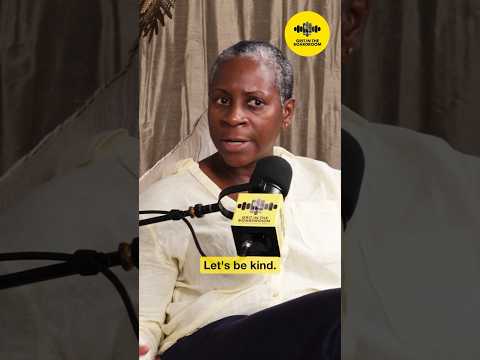
Is Your Leadership Style Killing Your Company’s Future? | Grit in the Boardroom
Ask about Grit in the Boardroom
Episode Description
Is your board built around a person, or a purpose? Discover how to eliminate founder-dependency and build a governance structure that survives you.
True leadership isn't about being indispensable. It’s about building something that thrives when you're gone. In this episode of Grit in the Boardroom, Sharath Jeevan OBE joins Erika Eliasson-Norris to expose why diverse boardrooms often lack true "cognitive diversity" and how to transition from ego-driven to generation-proof leadership.
What You’ll Learn
The hidden trap of "Founder’s Syndrome" in mid-market and major boards.
How to construct structural scaffolding that outlasts any single executive.
Moving past tokenism to unlock genuine cognitive diversity in decision-making.
Chapters
00:00 - The ultimate test of a leader's legacy 05:40 - Why brilliant founders fail as long-term governors 14:15 - Building structural scaffolding vs. relying on personality
About the guest
Sharath Jeevan OBE has spent decades helping CEOs and leadership teams break free from the performance game. As founder of Intrinsic Labs and leader of the Generational Success Lab at Oxford's Saïd Business School, he's worked with organisations from the NHS to L'Oréal. What he finds almost everywhere is the same: leaders trapped at the second hand and the minute hand, when the real work happens at the hour hand.
About the host
Erika Eliasson-Norris is Chief Executive Officer (CEO) of Beyond Governance and Governance Assessor to the United Kingdom’s Post Office Horizon IT Inquiry.
Beyond Governance provides on-demand company secretarial support, governance advisory, and governance training to boards, Company Secretaries, and General Counsel. Beyond Governance help organisations strengthen governance, manage risk, and support critical projects without the need for permanent hires. Learn more here: https://beyondgovernance.com
Read the full transcriptHide the full transcript
- where things collapse is where there hasn't been enough attention to really making things a tacit more explicit,
- more understood, more codified. We can get trapped by by sort of success in many ways. We're all in this together. I
- think anything we do to avoid this sense that there's that kind of driver passenger dynamics.
- Welcome to Grit in the Boardroom. I'm Erica Ilas Norris and today's conversation explores how purpose
- becomes progress and how leaders can build meaning that lasts across generations.
- My guest is Sherah Javan Obbe, a trusted advisers to CEOs and leadership teams worldwide. As founder and executive
- chairman of Intrinsic Labs and leader of the generational success lab at Oxford University's SIAD Business School, he
- helps organizations build purposeful strategies, enduring cultures, and authentic intergenerational
- collaboration. His clients include Oxford and Cambridge universities, Teach for All, L'Oreal, Shopify, and the NHS,
- and many more. Shareth is the author of Intrinsic and Inflection, is now writing
- Inheritable, a novel exploring intergenerational leadership. Previously, he founded and led Stir
- Education and Teaching Leaders, reaching over 10 million children across 40,000 schools globally. Outside work, Sherath
- is an internationally competitive pickle ball player and a student of wine. He lives in London with his wife and two
- teenage sons. Shareath, welcome to Grit in the Boardroom. >> Thanks, Erica. >> So, to start with, uh, you often speak
- about futureproofing lasting success. What does that really mean in practice for leaders and organizations today?
- Yeah, I think one of the challenges, Erica, I don't know if you would agree from your boardroom experience is our
- time frames are quite short and I see, you know, even CEOs of organizations, you know, I think a lot about the the
- second hand, the minute hand and the hourhand and so much of the pressure today is on the second hand, the minute
- hand >> rather than thinking about the hourhand and what is that long-term direction,
- purpose, um the place that the leaders really want to go to help people get to places they wouldn't have got to
- otherwise. That's my definition of leadership. And what's been coming out from that is also not just within a
- generation, but also taking the long road and thinking what that means crossgenerationally as well.
- >> And how do you think leaders can support with that crossgenerational work? >> I think part of it is trying to really
- find disruptive ideas that really will shape um shape the future, will shape that better world. So I've been lucky to
- work with about 30 or 40 really exciting organizations. they they can be um ventures, they can be part of larger
- organizations um startups, you name it, that are trying to build a different future um in terms of how kids, for
- example, experience the world in terms of how young people enter the workforce. All of those kinds of themes as well. So
- part of the work is really helping that that disruptive community thrive, flourish, and be even more distinctive
- and be more successful. The other side of work I find myself doing is helping existing organizations that have scale
- already, large corporates, large foundations, um, public sector organization like the NHS
- >> think about how they can actually manage and navigate that intergenerational transition better so that understanding
- collaboration can happen better between generations. I sort of think we need new
- new ideas, new ways of doing things coming into the world, but we also need those who've already got power and skill
- to reshape what they do at the same time. And when you look at boards um in today's society, do you think that
- they're prepared for the expectations of that kind of Gen Z kind of investors, let's say, and employees alike?
- >> Yeah, I think boards are in a very tricky place right now overall. I've had a chance the fortune to work with many
- of them. Um I mostly work with leadership teams and CEOs, but of course the board is an important factor and
- almost always our work tends to >> interface with that really important element. I still think board I know your
- work is all about this Erica but um it's still very much a defensive sort of play. It feels very much about
- mitigating risk often is often the mindset. >> Yes, >> it's quite cautious. Um >> it can often be quite short-term. That's
- something that really surprised me observing some of the boards I was able to work with. I thought that the idea of
- uh being a steward in that way was to have that long-term stewardship that would futureproof really an organization
- two to many years maybe decades maybe centuries ahead. But often the pressure is on quarterly results or short-term
- performance. And I think it's an interesting question of how leadership team CEOs and and boards work together
- better to to shift that culture. I think as well >> yeah I think sometimes boards can be
- very focused on as you say the short term because that's what they're incentivized that's the performance
- metrics and therefore that directs travel. How do you think leaders can help look at that longer term view? How
- do you help um organizations do that? So being super honest, I often take them out of the board structure for a little
- while to give them a safe space often three or six months where they can explore different realities.
- >> I think with the with a board um dynamics even when there's the closest relationships I'd say between a board
- chair and CEO and I say this having had an excellent board chair myself when I was a a CEO um over my years of leading
- um there's still a performative element of that game, right? You're still trying
- to show that you're in control. You've got it sorted. It's quite hard to be vulnerable if you're a CEO. hard to
- express doubt, not even doubt, but even express uncertainty and I'm not quite sure these are three crossroads I could
- take and I'm not sure which way to go. That can often make us here look what's a her or him look weak, indecisive and
- so on. And that says a lot about how we think about leadership um and some of our sort of mental models about it and
- how maybe mism they are but that's it is what it is. So often taking CEOs and leadership teams away for a little
- while. I don't mean physically all the time, but give them that safe space to reflect, think about what they really
- see the problem being in their sector or industry. Help them think about what makes their perspective unique and
- different. And from them crafting a direction that really feels authentic and distinctive to them rather than just
- copying what every everyone else is doing. And around halfway through that process, usually a couple of months in
- where they've gained some confidence, feeling good about things, we often bring in the board for an early pass to
- say how does this feel and really want to make sure they shape it of course and play a very very proactive role. But I
- have had fun just giving a bit of of neutral space can be quite helpful in in that regard actually.
- >> And why does so many leadership teams they seem to really struggle with planning for success beyond their own
- tenure? Why do you think that might be and what can they do to kind of overcome that barrier?
- >> And I say this, you know, myself as a founder CEO and it's very tricky. We entangle ourselves, I think the
- therapist would say, in mesh ourselves with with uh, you know, with the organizations we we lead. That's it's
- very hard to separate those things. I think one of the things I found the best CEOs and leadership teams doing is say,
- look, um, I'm here to take the organization to a place it wouldn't have got to otherwise. That's my role. I'm
- going to take it from A to B, but I know someone else who needs to take it from B
- to C, C to D. There going to be many more chapters. Think of it almost like a novel. Um, as a result, I need to create
- the foundational scaffolding of culture in particular that allows us to keep reinventing, keep being relevant. And
- that kind of lifelong learning muscle is is really important, especially in this
- day and age where things are changing so fast. How do we really try and build that culture and where people are open
- to being adaptive to to be reflective to be experiment experimental where needed?
- >> Um, so I think there's a lot CEOs can do to prepare. They may not know what the
- next few chapters of the book might be, but they can set almost the chapter outline well by creating that cultural
- foundation and and role modeling and showing them they themselves don't have all the answers. They're trying to
- search and discover things, find that from different people. M um and there are writers as well that talk as well
- about seasons. So they say you might be a winter CEO or a summer CEO depending if you're talking about the highs and
- the lows and they very much are very good in certain situations when you're riding on a very high high or perhaps
- you know it's a turnaround situation. There are many people that kind of focus in on that sort of approach and they
- have that level of experience. How how can someone be, I suppose, open to being challenged, but also be self-aware
- enough to work out and establish where they fit best and where their skills are.
- >> I think No, I think it's really powerful the sort of the seasons metaphor, the
- winter summer stuff. We've got global warming happening, whatever happens. And I'm almost more interested in sort of um
- how to see us build that long-term muscle where they can think, you know, much more strategically, much more with
- a 10 20 year horizon towards what they're doing. So they may be in a turnaround but they're thinking about
- okay how do I not just get us back to where we were but actually build towards the future or they're really thriving
- and flourishing and think how can they get you know much more u have much more impact in the world be much more
- influential make a real difference to our customers or or clients or communities whatever
- sector they're in. So I sort of feel like there's that seasonality piece but there's also that long-term
- um you know existential questions that I think every every business or organization should try and try and
- focus on. M and where do you think those questions should be asked and by whom? >> Good question. I think I think
- ultimately the the C and the leadership team are accountable for it. I think boards can play an important um senseing
- and stewardship role, but there's always an asymmetry of information of of involvement as well, right? They're just
- much more into the the day-to-day there. I think a lot of it comes from discovery
- and searching and being able to ask good questions, being much more curious about
- the world, asking their customers that the communities are impacting their employees of course um what what they
- can do more really as well and being that kind of really thinking about being being observant. So if I take an
- example, um I've been working with King's College London, um obviously a really premier uh global research
- university. There's been about£100 million pounds of research funding coming through for for really important
- areas around global health and there's been a big shock to that system with some of the the aid cuts around the
- world and and so on. So what the university said is look, we've got all this funding. Are we really pulling it
- together in the best way possible? Right now each researcher each department is going off on a its own sort of separate
- path if you like as well. How can we be more than the sum of our parts and how can we create a they've created an
- institute and there's a really inspiring director there called Alia bus and how can we make um give a really coherent
- frame to where we want to go and what they've decided to do is think about how do we partner with with universities in
- the global south who themselves have been hit very very hard by some of these cards how can we help build their
- leadership their capabilities their reputation so they can retract attract research funding themselves but also
- build a new generation of research searches at the same time. So that's I think a good example where it's not just
- a linear let's go from A to B, but try to go from uh you know to to many more levels at the same time.
- >> And how how do you think leadership teams can overcome some of those blind spots because um you know you don't know
- what you don't know essentially. How how can you kind of hold a mirror up and actually see behind behind you where you
- can never see. >> Yeah. Yeah. Yeah, I think it's one of the most challenging uh pieces and I
- definitely felt it myself as as a CEO. And what I found is most teams um among the 50 or so organizations I've worked
- with over these these past years, they tend to look um outside in rather than inside out, Erica. So
- >> rather than look at themselves and say, look, what are we doing well? What can
- we go? Often we do the kind of SWAT style thing, you know, it's called different things and basically that's
- what it is. >> Yeah. >> Instead, look at the problem itself. What's the sector you're contributing?
- Let's say it's healthcare. Um what's happening in healthcare? Now we know for example I've just been working with the
- NHS and there's been a whole migration to community health and and primary care. If that's happening what does that
- mean for how we need to structure the whole service but also what does it mean from a leadership capability piece? So
- very practically if you have surgeries GP surgeries how do you make sure that uh those leading those are senior
- partners and so on know what to do to attract the next generation of trainees and young doctors and help them create
- that long-term pathway. So I think a lot of it is going back to the problem itself and saying you know what have we
- learned new what's different about our understanding of that how do we try and um you know accelerate that in the
- future >> and where did your curiosity about purpose and human motivation where did
- it begin >> so I'm I'm the son of Indian immigrants to this country I came when I was about
- four we grew up quite a bit in the Middle East as well my parents worked there in Saudi Arabia um and I think
- there was always quite a lot I I have incredible parents who did everything for us to succeed and be successful.
- Classic sort of immigrant story. They were highly educated but come to a new country had to start again in many ways.
- But I think as a result there was quite a lot of pressure to to pursue extrinsic
- definitions of success external. So you know um high status jobs um financial success of course um education and those
- were all useful to a point but I realized at some point I had to find my own path and about 10 or 12 years in I
- jumped off the corporate so treadmill honestly at some point and uh became an entrepreneur set up these two
- organizations that you mentioned earlier on and it was the best thing I I could have done. I think I realized that
- sometimes we can get trapped by by sort of success in many ways and defining it for ourselves going intrinsically
- thinking about our own um purpose and and so on can can matter a lot and and by a strange coincidence I worked with a
- lot of teachers um about 200,000 teachers in those first organizations helping them think about their purpose
- and and meaning in in their profession and so that sort of made me you know think a lot about what does it mean at a
- large scale you know for for many jobs in the workforce this is is a problem. How do we make this something that
- really is applicable to anyone at the same time? >> And talking a bit about purpose, how how
- do organizations, how do leaders avoid purpose washing and how do you kind of bring that in to be part a core part of
- strategy? >> Yeah, there's a lot of I mean the unilver stuff about you know how do
- mayonnaise being purpose all that there's a lot of we can joke about. I think one of the key things that I found
- that's really important is to be really authentic and distinctive. So I think about the corporate world. Um I was
- helping the BCore movement um about a year and a half ago. Um they certify companies to uh signal corporate
- responsibility. We had very large companies like Whole Foods, Coots, etc. sign up. About 2 or 3% of GDP now in the
- UK uh comes to that movement in just a few years. So I think it would been very easy for them to say let's go from I
- think at that point they were 2% let's go to 5% over the next 3 years. But they had a very um um enlightened sort of CEO
- and leadership team and it was really great working with them and helping think about some of these things. But
- they were saying let's rather than do that only let's look at the underlying drivers who influences businesses that's
- pension funds, regulators, government um and of course the business community itself. how can we start to work at some
- of the root cause level >> and and really start to work much more systemically, much more structurally um
- as well as keep growing of course the number of members and the share of GDP at the same time. So yeah, I think it's
- that sort of being able to flip and and and think differently about things >> and was there a defining experience or
- person who shaped your view on leadership as a service? H um I think to be honest so I I would go and work with
- governments a lot Erica in when I was working in education and see civil servants often in places like Africa or
- India where they were just thrown there was just so much going on they had to deal with hundreds of thousands of of
- staff members um >> I think India has about now about 1.2 two million schools to take an example.
- Just the scale of these systems was just unbelievable. to what puts anything in the UK um you know it sounds like
- peanuts in in comparison but they still were visionaries still very driven uh to
- make a difference in very very challenging uh context and they weren't always you know fully successful but
- there was a real um desire to still make that change despite the the difficult odds against them I think as well and so
- it made me think you know I live in a much more privileged um part of the world I work with many organizations
- that are in much better financial shape for example we must make the most of what we can surely what we've got there
- as well. So I think that's seeing that you know what is possible under under challenging circumstances.
- >> It's very motivating isn't it? >> It's very grounding. >> Yeah it is. And I think they had a very
- clear sense you know I define purpose very simply about how you know how does our work help and serve others. They had
- a very strong sense if I do this that means a teacher in our system will uh be able to teach much better. They'll have
- more space to do that. They'll feel more empowered. That will mean the child uh will be more receptive. They'll build a
- better relationship etc. So they could see all the way through the chain if you like of impact and see what will my work
- sitting in some fancy office or actually wasn't always that fancy in a ministry what will that mean at the level of the
- the individual I'm ultimately helping and serving. >> Yeah that's pretty amazing. You create a
- legacy don't you? >> I think legacy I think my generation is uh uh is struggling with quite a bit.
- I'm almost 50 now I should say Eric and uh you know we've been joking a lot about um quiet quitting among Gen Z. I
- do quite a bit of standup jokes around it, but I do think my generation is quiet leading. I think we're not always
- really partnering with the nextgen and working with them to redevelop a common understanding of what success looks
- like, how to shape the future, what the strategy of the organization needs to be, what how we can contribute to being
- a better world as well. We've tended to often we're quite comfortable. We know what we're doing. We're now working a
- bit more remotely as well which gives us more reasons to sort of insulate ourselves from the next generation. I
- think it's more important than ever for us to collaborate and that's why you sent set up this new center at Oxford
- side business school where the whole idea is to help the next gen on the program think about how they can have
- more impact influence with those above them in the workforce those that will be leading them um but also to um we bring
- in senior leaders all the time to work with them on those questions. So there's real dialogue and collaboration and
- there are moments of frustration, inertia, dissonance, all of it. But it's amazing once that sort of once it clicks
- you can get really great collaboration and just deeper empathy and understanding between generations at the
- same time. >> Do you think that there are things to be learned from one generation to the next
- older generations to younger and likewise the other way around? >> Absolutely. Yeah. So I think there's a
- lot of um I think generational trauma I think that many of us experience. So things that we passed down to us. I
- think if I think of my generation we're in that sort of seauite typically many things were sort of given almost like
- biblically this is how you do this is how you lead you we watched all these films and you were taught you had to
- have a step up a lip and be very calm and all of those elements um I don't think we often ask why you know why did
- we why was that the receive wisdom was that what were the assumptions of those times are they relevant to a world now
- which is moving at hyper hyper speed is very volatile has AI as a big feature a lot of that stuff I think we need to
- offload and take away the baggage. Um yeah, so I think if if the you know my generation can think a little bit more
- reflectively what do we want to keep on to hold on to from our our past experience but what what are we meant to
- let go of? I think the next gen is much more much more in a much more radical spirit.
- They really want to reshape the world much more profoundly and I think we can look incremental to them and I think
- boards can look even more incremental and I think we have to respond and we have to show we are open to reshaping
- things together. M I gave a talk at a senior school only a couple of weeks ago 16 17 year olds talking about careers
- and kind of pathway forward and I asked them how many of them wanted to go to university um I asked them how many of
- them wanted to go into business given that was what I was talking about and I'd say a smaller percentage than I
- thought put their hand up for university and I would say 80% of the room put their hands up for some sort of
- entrepreneurial business having some autonomy to kind of manage things themselves and do things maybe as a
- consultant, maybe as a sole consultant. Um, but there seems to be a very different view of the art of possible
- >> I would say in this uh younger generation that's kind of coming through now. >> Yeah. No, so I'm hosting a dinner on
- Wednesday actually at the wine makers club. I'm a wine fanatic as you know and um it's all it's with parents actually
- who have got older children who have around you know 19 20 21 who are leaving university find the job market very very
- tough right now and the discussion we're talking about is sort of and it's with a
- collaborative called Matt Nichols a good friend this idea of family business 2.0
- Oh ter term he invented but this kind of idea that um you know in in previous generations we would try and integrate
- vertically as families because the economic environment was so uncertain. We didn't have those structures of big
- corporates or big employers in the same way. We're kind of throwing the question
- out of do we are we going back into that world where you know if your kids are living with you when they're 22 or 23 um
- they can't afford their own housing the job market's more precarious. What do we
- do as parents? Do we try and uh do we work with them? Do we create things together? Do we invest in ventures they
- do for example? Whether that's directly or indirectly what's our role as parents? So I think it's some
- interesting questions and quite tricky ones to navigate. But again I think if we get the the conversations going
- better between generations that collaboration can be much more fruitful. I think that will be a way of life and
- that that might simply be just being encouraging and supportive in the broader sense or it might be actually we
- can do something and um and and do something very tangibly at the same time. And looking at the the kind of younger
- generation, there's definitely some different ideas around ethics perhaps that maybe a number of generations above
- us would would have kind of thought it's all about profit, it's all about money,
- I'm in a business, whereas they have some some different kind of views around ethics. I'm interested to know your your
- thoughts if given your kind of BC Corp background as well and and the work you've done
- with them in an organization if they were to be a profitable organization but essentially ethically indefensible
- >> and wanted to change and to move and to pivot and do things differently. I know
- a number of organizations for instance that fit into that category that find it very difficult to hire the younger
- generation because they just the whole concept of what they do just turns them off. How how do organizations move and
- shift into that new space? >> So I think what what happens a lot I think we get into a lot of these
- questions around greenwashing and all these things about these big questions around purpose and so on. I think a lot
- of it's more dayto-day and much more mundane about how we treat people dayto-day. So, I I was a big I'm not
- going to mention the company, but I was I was using a wine service, an online thing, and I was a big fan. I bought a
- bar about 50 bottles of last couple years from them. They had an event where you had to sign up to the event and you
- could bring a guest, but the guest had to sign up for their service and put their credit card down and all this kind
- of stuff. And I I just I just cancelled my script. I look, this is not I almost said like, what would a Gen Z think? I
- need to do the same thing. This is not it's not that it's you know some deeply it's not corruption in some way but it's
- it just doesn't feel right why why are you doing this if the service is good someone will sign up why do you need to
- force people um into this kind of stuff as well so I do think a lot of it is less about finding these benign
- industries where everything's perfect as we know companies or industries are perfect that way but each day are we
- trying to have that intention to do something positive treat people with dignity with respect that's a lot easier
- than we actually think and I think jenz can be quite helpful to collaborate around that and perhaps less critical,
- perhaps less of a council culture and more of what do we practically do to help our customers feel more, you know,
- better in their lives, our staff to feel more valued and able to flourish um communities around us as well.
- >> And how do you help leadership teams rediscover meaning when they've become disconnected from it?
- >> I think what happens is we sort of end up playing the game. I don't know if you'd agree from your your experience,
- but there's a sort of metaphor business, especially in large corporates or even medium large corporates. There's a sense
- you you're playing a game here. This is all a game and this is all sort of somewhat artificial. We're all here to a
- bit like Game of Monopoly actually often. I think a lot of it is reconnect people to say, "Look, you're not this is
- not a game, right? You're you're actually making whether you like it or not, you're impacting people positively
- and negatively. >> Let's really be honest about what that looks like. What what is the reality out
- there in the world you're operating in?" So um if you I've done work with groups
- like L'Oreal and so on if you're even something the world of beauty for example um that has lots of questions to
- think about but what is the impact you're having um how can we be positive role model in that how can you make this
- a positive experience for those who are buying your products for example um all the way through so yeah I think there's
- a lot that can be just with a bit of thought a bit of reflection stepping back it can be powerful
- >> so I presume the disconnection it often comes from a disconnection from either the product that or service that
- they're selling or the stakeholders that sit around that organization. >> So either it's around the service
- product often and not even about um the product intrinsically. It's more about what's around the product. Are we doing
- everything we can to so many I think the beauty actually is a good example. There's been so much more focus now on
- positive images trying to make these things feel the idea that we can all be normal. we're not trying to create some
- kind of um some crazy superhuman um you know image of what PT looks like or wellness looks like and so on. Um so I
- think that's one example where that there have been some positive trends. There's been negative stuff as well but
- in general there's some positive things. So it's more going back to saying in the
- world we're in people are going to be buying these products for a long time. >> That's a reality rather than sort of
- think about should there be it's more how can we try and make that better for them? How can we make it a more a more
- positive journey with with those elements? How do we bring stakeholders along on that journey and engage in a
- conversation with them at the same time? >> And how would you suggest that organizations start to make those steps
- in that direction? >> I think first thing is we start with your employees actually. They often have
- eyes and ears. Often as we get more senior organizations, we get more and more detached from the from the front
- line, >> whatever that is, whether in the army or if we're selling, you know, whatever
- toilet paper or whatever it might be. So, how do we reconnect with those younger employees? How do they see the
- world? How are they interacting with our customers, clients, stakeholders, communities? And let's start to
- understand their perspective. Um, if we do the same on our end and those in the seauite on the boards,
- let's come together and say what's common and what's different and how do we try and understand that piece. The
- the work I've been doing in Oxford is just about four things that are making big generational difference. One is
- around perspective. We're seeing the world differently. You know, we're we're perhaps more incremental. Perhaps the
- next gen is a little bit more radical. Um, authenticity. I think we have a a view of of the world of work being a bit
- more of a game. I think there's more of a desire uh to be more authentic at work
- from from Gen Z. Connection. I think we've focused a lot on um often the efficiency of connection rather than the
- quality of it and the um and the depth of that connection. And the last thing in terms of excellence, I think we tend
- to have a more absolute definition. there's a sort of floor or ceiling. I think Gen Z tends to have more of a a
- mastery mindset. We want to go on a journey towards excellence and neither view the spectrums are right or wrong.
- It's a where different sort of ends of the spectrum. How do we find a middle ground around those elements of pace
- there's four sort of pieces there. So I think actually exploring them, making them open, discussing them, building
- them into company culture, think about how we run things in terms of processes, structures can be really gamechanging in
- terms of future proofing. you know, both generations feeling at ease and able to
- to to prosper as as the organization or company grows. >> And how how can organizations get those
- candid kind of insights, feedback? Obviously, the culture needs to be well good enough, well established enough for
- people to feel comfortable speaking truth to power because otherwise there's a different challenge there altogether.
- But how how do they they kind of start? I know that lots of companies do surveys, but arguably the number of
- people that fill them out or the purpose. I remember one survey that I was sent through when I was in an
- organization as a consultant. I shouldn't have received it. I wasn't an employee, but I did. And they had little
- smiley faces underneath like one to five. And and the first the top kind of two had green smiley faces of of kind of
- different levels of smile. Um, and then as soon as you got to kind of three, it was like a complete flatline. And then
- as soon as you got to the the bottom two, they were red. So instantly you draw people into a certain um output.
- And even I looked at it as a as somebody that obviously had no skin in the game.
- And I thought, wow, okay, you're the smiley face is definitely the draw to this is the right answer. Click that
- button rather than just having numbers. >> Um, how can organizations make sure they're not so biased, let's say. Um and
- also getting the the real truth about it because a survey sometimes is a very flat piece of data.
- >> I think I I've worked at god probably dozen hundreds of pulse surveys over these past years and I think always find
- that there's a sort of passenger driver dynamic right somehow the driver is the you know the leadership team or whatever
- um everyone else is is the passenger and there's a sense of that the the passenger is giving feedback to the
- driver. I think a much better metaphor is that we're all driving this together. Some of us may be towards the front of
- the the train or the car, some of us may be in the middle um and so on. But we're
- all in this together. I think anything we do to avoid this sense that um that there's that kind of driver passenger
- dynamic. So a lot of it is just having conversations and it might be um I I am ending up actually being quite a bit a
- lot of kind of generational mediator in what I'm doing right now talking to Gen Z first or younger employees in the
- workforce understanding their so talking to perhaps say the partners of a law firm and then trying to bring them
- together and say this is what I'm hearing on this side this is what I'm hearing this these are some of the the
- points of similarity let's embrace them how can we go even further with them often we forget there's actually a lot
- we do agree on on these points of difference they tend to relate to this kind idea of pace you know there's four
- areas um how how do we resolve them how do we address them and how do we find a good middle ground and middle doesn't
- mean exactly in the middle it means based on those things it requires reflective leaders though I think who
- are open to listen it also reflect requires um younger employees to also be open to understand that there are
- realities of running a business they've got to be it's got to be financially sound got to make sure that they're
- healthy first and foremost so I think but a lot of it if we can have a safe neutral space where um we can talk
- together and really de develop ideas together. We we live in a very polarized world as we know more generally Erica
- and >> that's really shut down a lot of the discussion the sense of us creating constructively together um across
- generations and and more widely >> and people need to feel that they can voice their perspective without um
- having potential backlash from that whether it's whatever obviously within the realms of you know what's decent and
- right and fair for everybody but having to kind of tow the line sometimes on a particular strong character's
- perspective and feeling very much having to keep their own perspective boxed and
- quiet can be quite a challenge. How do you how do you balance the the different generations? Because the different
- generations don't necessarily perfectly fit in in an organization that all of the younger people sit at the bottom of
- the food chain and all the older people sit at the top because you can you can end up with all sorts of different
- dynamics and that can really change a leadership team if you have somebody quite young. I was 32 when I was a
- seauite governance professional and that was quite young compared to everybody else that was around me
- >> and that created some tension of itself not purposefully but just a different
- generation different conversations and it it's a shift isn't it >> how do people make that shift
- >> yeah so I think we're now I think Patrick Dun's done some really good work on this but there's there's now five
- generations in the workforce and So um that's the most we've ever had really in any meaningful way, tangible way. So
- that's a key piece. So it's less about binary, it's less about one gender versus another. I think it's another way
- of thinking about inclusion um and creating cultures that really allow everyone to find that that sweet
- spot for themselves I think is is part of that that that sort of battle there. I would say though I think seuite
- leaders themselves feel quite attacked right now. M >> so I feel many who've been on panels in
- front of their employees and they will say something probably a little bit off color or slightly out of context and
- they will get hammered by by by the younger employees. So I think it's two-way thing. I think it's definitely
- true that many youngies don't feel particularly emotionally or psychologically safe to express things
- for sure. But I think many sees are they are quite quitting. They're quite leading too because they feel if I'm
- honest about stuff. So if I'm honest what it takes to be successful to really get to the top of their organization,
- they will be criticized or maybe even attacked by those um earlier on. So I sort of feel like both sides are sort of
- switching off and defending each themselves rather than really coming together and connecting and saying let's
- find a common point of view here >> and you you reconnect them by bringing them together and allowing them space.
- >> Yeah, I think I think in person is is powerful. I think a lot of it though is
- getting a sense of what the issues really are. It's classic sort of mediation in many regards when it comes
- to this kind of work. Um and sometimes it's about trying to find a middle ground between sometimes it's about
- finding another alternative that will actually break the deadlock altogether. So I was talking remember talking to one
- professional services firm where there was a big thing about work life balance right and Gen Z employees were often
- saying look I I really want work life balance for that's an important value and the managers of the organization
- were saying yeah but I also I'm a human too and what if you if you go down this route I'm going to be the one who's
- deeply unbalanced and it was super simple stuff but actually seeing that and hearing there was a a personal
- consequence to all of this stuff really helped unlock it for them and we some new ways of thinking about how do we all
- just achieve better work, really high quality work together, uh much more meaningful, much more client friendly.
- Let's take out some of the bells and whistles that was taking up a lot of time that the client didn't really
- value, but would actually make almost make them feel that you were providing a better service to them.
- >> Yes. In in organizations, you can have um different generations um in different sectors, whether that's
- or different levels of management, whether they are employees or very senior. How do you blend a variety of
- different generations within let's say the kind of lowest tier of um employees or even from my own experience I was 32
- when I stepped into um the boardroom that created some tension of itself because I was all of a sudden in the
- seauite um level of people how how do organizations manage that >> yeah so we've got five generations that
- work nar as we know and uh probably the most in terms of just real magnitude of of a piece and I think the way that our
- pension systems are working and so that probably might continue for quite a while. Maybe we'll get to six, who
- knows? But um I think that's a really exciting opportunity because we're no longer it's no longer sort of binary.
- We're not looking up or looking down. We're looking both ways. And so the group I teach at Oxford, for example, on
- the generations lab course, what we're talking a lot about how do you have influence upwards and downwards. So at
- the beginning of your career, it's probably going to be more upwards. It's going to be think about how do you
- impact those above you and influence them and try to help shape the world in different ways.
- >> But almost certainly from the beginning you're going to have teams right after
- you finish the MBA who you're also leading and trying to be a role model towards as well. And it's a bit like you
- know um my wife has um recently become a therapist and uh she still has to do therapy herself and it's really
- important to sort of see both sides of it actually to u it makes us I think more reflective it makes us I think more
- self more self-critic in a good way in that regard as well. So yeah, so I don't think it's about one way up, but it's
- really thinking about how do I take that generation perspective to everything I do, whichever way that issue might be
- facing. An issue might be more relevant for for Gen Z. It might be more relevant
- towards seauite. I find many seuite leaders now feeling quite vulnerable. They're not able to be fully honest
- themselves when they speak at public forums or even internal employee forums. They feel a bit guarded. Um I think
- we've got to think about how we can attack those issues from different uh different points in the generational
- spectrum. >> Yeah. And the kind of the organizations as you say where those CEOs are feeling
- quite guarded. I think you're right. there's so many more people being so much more vocal um about how they feel
- and we see that in politics um and we see that in organizations um and we see that in people standing up and being
- those advocates for particular perspectives in the world. >> How how do you manage that? Because
- obviously as a CEO you also need to be able to lead and if you feel like you can't speak your truth to everybody else
- that's obviously can be a limiting factor. it can hold you back. >> Um, but also you have to understand who
- sits within your organization and who those stakeholders are wider than just those employees.
- >> It's a it's a big balance, right? >> It's a tricky one. I think ultimately you have to stand stand for something as
- a leader. I think you know our prime minister in the UK has had this right where we won an election in a way almost
- being the opposite of something else that was there rather than being particularly clear what really we were
- standing for. And I think that's now coming back to bite very heavily. And it's a real I'm sure I'm really hopeful
- they'll find a way out, but it's it's tricky period to be in right now. So I do think it's important to, you know, in
- that back to that definition of I'm helping people reach places they wouldn't reach otherwise. We've got to
- define what that new place is, why it's better, and we've got to stand our ground and say this is important. I know
- there'll be some tough um compromises, some maybe some sacrifices along the way to get there, but let's really talk
- about that new place. Why is it exciting? Why will everyone benefit? where it would be a better place for us
- all. That's the bit I think leaders now find quite tricky to do. It's become I think leadership has become management.
- It's become mechanized. >> It's become a series of quarterly templates and results and earnings and
- all these things we're comfortable. You know, we see so much on the board attention go to rather that deeper
- question. What are we actually trying to to achieve? Where are we trying to go? How do we all get there together? The
- core of it. >> Yeah. And looking more at founders, they can find it quite difficult to step back
- from operations as the team and the business grows and becomes a bigger organization. What have you learned
- about leading through that sort of a situation? Yeah, I was I was actually a very fascinating discussion with a group
- of um um folks who work with founders last week actually and there was a um a psychotherapist who came um and talked
- and she was talking about how many founders actually have had them some kind of generational trauma themselves.
- They've had often it's fathers for example who perhaps um left or or passed away early and they want to prove
- something to the world as well if it's if it's guys and perhaps the other way for for female founders. But um I think
- there's something very powerful about founders that we need them to change the world. we won't be able to get to where
- we need to get to without that energy, that creative creative destruction that's part of their work as well. At
- the same time, I think there's something about um helping founders see something beyond them and not completely
- imsh what they do versus what the organization needs. And I I stepped out of my second organization that I founded
- because I felt I there was founder syndrome. I was being the constraint to growth after a point of being at 10
- years. We got to very big scale. it wasn't my skill set. I really enjoyed the more nimble entrepreneurial days as
- well. But I think often we need to give space founders to think about um where they are. They're really the
- right place for their organization at this point. But also what do they want to do next? Often a lot of it's they get
- stuck because they don't know what the next step is. They can still have impact influence in a different way. It could
- be as an adviser, an investor for example. Um yeah, lots of other permutations there as well. They could
- set up something new in a new area. But helping them feel positive and bring that energy somewhere else I found is
- really important for founders so they can unlock something new and then they really leave a strong legacy and
- succession with their existing um organization at the same time. And that sort of principled approach can also
- really help I guess as an organization grows because as they take those hats off and start passing them to other
- people that sit within their organization they need to start relinquishing some of that
- responsibility and giving that trust to others otherwise you end up stifling all
- sorts of growth and opportunities and also the people that are in your organization.
- >> Yeah. And I think back to that kind of hour hand, minute hand, secondhand metaphor. If if as leaders, we want to
- play at the the hourhand level as a seuite or the CEO level. Um we need to make sure they're strong people at the
- second and the minute hand as well. So how do we give them that autonomy? We don't um second guess decisions. We
- don't try and get to operationally. We make sure that the overall metrics and performance is going well, but we really
- focus on where how we building the new place, that new destination. That's where I find the most healthy um teams
- work. and everyone knows where they fit in. They see it all come together. They can be honest with each other's
- different points and then it's easier for a founder to know this is a time to um yeah almost my I've got it to the
- place I wanted to get to. Now someone else needs to come with new energy take you to that that next place from there.
- M there's definitely been a lot of discussion particularly on social media about founders kind of leaving and then
- the organization crumbles because they were part of the glue that held it all together and a let's say a hired CEO can
- never quite have the same level of passion as the person that created in the first place. Do you think that's
- true? >> Definitely seen lots of it and I've I've stepped into help quite a few of those
- situations. I think of back to the sort of a wine analogy, you know, you almost want to have culture in organization
- like a bottle of wine. We look at the label, look at what's in there, what grapes are in there. It needs to be
- defined and codified. It can mature. It can evolve as any good windups, but there's something already quite um
- strong as a foundation for that that that that bottle to to begin with. Then I think the where that happens where
- that where things collapse or um is where there hasn't been enough attention to really making things
- more explicit, more understood, more codified, especially as organizations grow. So as new people come in, culture
- can get quite watered down. It can get diluted. How do you really keep that that sort of the integrity of that
- bottle all the way through? >> And moving more to kind of inflection points. So you often describe leadership
- as being tested at moments of inflection. >> Um can you share a time when you saw
- that tested kind of up close um either your own journey or with a leader that you've supported?
- >> So um I was the CEO of an education organization at that time. We were working in about um 300 schools at that
- point in India and the government of Delhi came to us and said we really want um want to work with you, want to
- collaborate, partner with you, but we want you to get to 20,000 schools almost overnight.
- And um I tried for four to four or five times to actually just shut it down and sort of not get into it. Felt too crazy,
- too um uh almost too mystical to try and achieve. But they were just being so persistent. At one point they said,
- "Look, you know, either go big or go home. we'll we'll stop you know the partnership altogether if you don't
- scale in the way we need we need you to really be um working with every child in
- our system and to be fair you know going back to boards our board was really great about that they say look this is
- the story where this is the reality we're in we're not sure we can how to get there exactly but we trust that
- you'll be able to find your way through our job as a board is let's meet every quarter as we do now but let's focus on
- less about current metrics because they were close to relevant now as you go on this new journey let's look at the the
- direction you're going and what do we need to to to know as you go along that you're on track towards that new
- direction. So are staff able to lead um in a much more leverage way? Could they work with people already in the system
- and get them to more of the day-to-day work of our approach? Could they uh were we really getting senior level buy from
- the very top of government so we could get the right cultural changes into the system for example? So it was a kind of
- yes, we're very much there to support you but we want to show see that you're really on track. you're not deluding
- yourselves. This can be done. Let's use the next 18 months to test whether we can go on this new journey of
- inflection, but if there are any sort of roadblocks, let's come back and think about things again and maybe slow things
- down if we need to along the way. So, it was a great example of board not saying
- yes or no or trying to um out guess me as the CEO, but saying yeah, we we understand where you're coming from. Let
- us be the kind of guard rails around that. Let's ask good questions and make sure that you're really going on the
- journey in the in the best way possible. And it really helps the CEO when you have that support of the board knowing
- that they are trying to set you up for success. Okay? They understand that there could be some challenges along the
- way and it may not be successful. >> But they're there with you. That must have really helped how you how you dealt
- with the situation. >> And I was very entrepreneur. So I wasn't a sort of st I wasn't a you know a
- mature se who wanted to keep things very stable. Well, I think what the best boards I've seen at least work with um
- they tend to help the CEO be the best version of themselves they can be. They're not trying to change the person.
- They realize they've got a certain style, certain approach, but they are trying to make sure they are um that
- they really flourish in that perspective, but they don't also um hit any kind of jihari window areas, areas
- where you can't see ourselves or we have these blind spots. So, just making sure
- that nothing goes wrong along that piece. They're very very supportive especially in that growth stage when
- it's sort of more founder driven and so on but they are also critical friends and honest and open but always in a way
- of supporting the CM leadership team to get to where they want to go. I think where things break down is when the
- board starts playing um almost wants to own the strategy drive and there's a myth in corporate and most organ that
- board set strategy. I think that's really it's rare I think as well maybe technically perhaps in a fiduciary sense
- but there's such an asymmetry of of of of involvementally for most sports that that isn't realistic in most cases to in
- my knowledge anyway >> and I suppose it works the other way round as well. I've got from my own
- experience of running a business and having um two people that sit as independent directors on my board
- >> that as the CEO, you can be in situations where you ask questions of them or you're presenting a particular
- idea to them and they they do come back and whilst they are supportive, they also respect that you have a a different
- perspective and a different approach. And although they may have felt that the direction of travel on reading the
- agenda in the papers was a certain way, they're actually happy to be um I suppose steered to a certain extent. Not
- pushed out of what they believe. >> That's not quite what I'm saying, but more um their eyes are opened to a
- different way because that CEO, they trust in that CEO as much as they are given trust to that CEO.
- >> Yeah. The best board meetings I I've attended I've helped um co set up quite a few of these is where all the sort of
- more formal stuff the report the performance overview all of that side is done in the in 45 minutes and then
- there's two hours of open discussion of whatever at that point is the most pressing issue it's it's also anchored
- on the strategy and milestones and so on but it's open to discuss whatever it is
- and it genuinely is a discussion and the co will say look I'm really torn between
- these are three paths I could take here's the situation I've got these options I'm not sure about the financial
- implications of A or I'm worried about the people implications of B and it's a genuine discussion where people are
- creating together and doing that as well. So it's not not performative. You're not going in to play a game. It's
- really one where you're trying to use all of that external perspective the board has that their diverse strengths
- and and skills and it's additive to the company itself. But I don't think that many I you know better than I do, but
- not that many board meetings work in in quite that way. >> No. No, they definitely don't. Um and
- that is something that's always strikes me as interesting. >> Um before I stepped out to be a CEO, I
- was advising boards. Therefore, it was very easy for me to have an objective independent perspective and say you
- should be using the time with the board to help air some of your ideas. They're there to help move things forward. And
- if you feel that you've only got to you can only present them with the finished article, that's never going to it's
- never going to help. Uh, and the board is then pretty much just a box tick. It's like, okay, this is what we're
- being presented. This is the answer. Do we agree? Don't we agree? If we don't agree, maybe we fall out with the CEO or
- create some unnecessary tension. Is it worth it? How do we put where do we put the pressure? Do we say yes or no? Which
- of the agenda items do we agree on or which ones do we, you know, want to push a little bit? And then it becomes a
- game. But it can becomes a game from the other side as well of like trying to keep um tensions um low. essentially.
- But you need that curiosity and you need those discussions that are a bit more interesting, a bit more exciting. You
- need to have that disagreement. You just need to be respectful disagreement. >> Yeah. Yeah. I think I think the
- generation element plays out in boards. So I see a lot of boards which are basically captured by usually a couple
- of people who've been there for a long time. they may formally be the chair or or not but implicit everyone sort of
- cowtows to them and it's um there's not much disscent and much much genuine discussion and debate and it becomes
- very you have that's the I think the irony of the board story is that we've been bringing many more diverse people
- to boards but in terms of cognitive diversity it sort of still hasn't really opened up different ways of thinking
- different ways of exploring issues and I think that needs to shake up generate often the younger generations of board
- members will often now come on boards >> there's a very strong implicit um message that your job is just to stay
- largely quiet. You can make a comment here, but you're not really going to rock the boat too much. And that's why I
- think when we get into our biggest problems is when that that isn't happening at the board level also.
- >> And what gives you hope about the next generation of leaders? >> Um I just think there so there's just
- less crap. I think it's just more they're much wanting to cut to the the chase. I think they haven't been
- all of these things are not good things. They weren't able to get perhaps on the
- housing ladder in the same way we were. they weren't able to perhaps or perhaps aren't able to have the same security
- early on in their careers. Um they didn't have the same intimacy I mean in terms of um professional in terms of
- really having mentors and nurturing perhaps the way we did in our early careers especially in more structured
- job environments. But as a result, I think they're much less tolerant of of the nonsense we put up with, I think, as
- a world. And much more willing to get to the chase and say, why are we doing this? And I think there's a real desire
- to know why why do we need to do it this way? And some of that is naive. Some can
- be can be frustrating. And I felt it at times, but a lot of it actually if you really ask that question, why are we
- doing it? There isn't often a a good reason. It can be done so much better. And so if you can use that um that's
- that restlessness, that openness, that willing, that wanting to reshape things more radically in a positive way, but
- add the wisdom and experience that comes with um with age and with with sort of time in in a in a role, I think we can
- have a really beautiful sort of um cocktail of the two things happening. That's why I think optimistic. We need
- to crack that that generation collaboration understanding, but it can unlock so much in in in shaping a better
- world. And you've spoken a little bit before, you've used the analogy um from Mike
- Tyson or the quote from Mike Tyson. Um a fight plan is great until you get punched in the face.
- That's really quite pivotal. I think I know you've spoken about it in a uh in a teaching kind of education perspective,
- but have you got any examples uh with regards to organizations you've worked with or anything that might be helpful
- for our listeners with regards to boards? >> Yeah, so I think um I should say Mike T
- is not the perfect role model, but it was I think it was a very good quote um on that one. But on that point, I think
- um I've been helping a group in America called Partners Public Good. They've been they've just spun out of Harvard.
- Um and they're trying to reimagine procurement actually. So a lot of it is around governance and so on and make
- procurement across I think it's about several trillion dollars of spend every year across the states more um just more
- thoughtful more intentional so we can all have better public services as citizens. And what's been really
- impressive with the spinout is they they've done it. They've felt this is the time to do it. Um they've kept very
- good relations with Harvard which they owe a lot of um uh gratitude for for everything they've done to get through
- to this point. But they've also been feeding their way very um very emergently really as well. There's been
- they're building for example a network of of professionals I've been helping them think about but they haven't gone
- and saying this is the only answer. We'll try things. We'll try events. We'll try platforms. See what sticks.
- We'll talk to our members and we're kind of gradually edging to the the right answer. It's not going to happen
- overnight. It's going to be a much more emergent view of getting to that that goal of helping influence um yeah better
- better services for all in that that regard. And if you could leave one message for our listeners about
- leadership that lasts, what would that be? >> Yeah, I think really try and think about
- how you can future proof success. Um, first of all, um, but with with a with a long a long haul perspective and ideally
- across generations. So, let's really get to that hour hand really feel like an hour hand taking that much longer term
- perspective. And I think everything we do then will feel um much more meaningful, much more purposeful and
- will leave a much bigger and better legacy. >> It was really great to speak to Sharath
- today. Um he really opened the box on the generational challenges within organizations and how organizations can
- start to unpack that. I think that it starts with finding purpose and that purpose is something then that
- generations can get behind and assume that they are able to do that. That then means that the organization can move
- forward where everybody, as he mentioned, wherever they are sat on the bus, whether they're at the front or the
- back, um they can move forward and they can feel really part of what they're trying to create. I think finally, it's
- also about impact. So, what do you do and what does that look like in reality? And you can talk quite a lot about
- generational challenges, but the reality is what are you going to do about it and
- how are you going to engage those people? Uh, and one of the insights that I got from him was that it's all about
- conversations. It's about talking to those individuals, really understanding and learning what it is that matters to
- them. And whilst that might not necessarily meaning meet perfectly in the middle, it does mean that you will
- understand those stakeholders, those individuals, and hopefully you can move forward together um with a shared
- purpose. That's it for this episode of Grit in the Boardroom. Thanks to Sherath for sharing his story with honesty and
- insight. And thank you for listening. If you found this conversation valuable, please follow the show and share it with
- someone who leads through complexity. Until next time, stay thoughtful, stay brave, and stay in the room.
Brief Summary
Sherah Javan Obbe discusses leadership, purpose, and fostering intergenerational collaboration in organizations.
Key points
- Futureproofing Leadership. Sherah Javan Obbe discusses the importance of long-term thinking in leadership.
- Cultural Foundations for Success. Leaders must create a culture that allows for continuous reinvention and relevance.
- Legacy and Leadership. Discussing the legacy of leadership and the struggles of the current generation.
- Generational Collaboration. The importance of collaboration between generations is emphasized for a better future.
- Ethics in Business. Younger generations have different views on ethics compared to older generations.
- Reconnecting with Employees. Organizations must reconnect with younger employees to understand their perspectives.
Episode highlights
- Futureproofing LeadershipSherah Javan Obbe discusses the importance of long-term thinking in leadership.“What does futureproofing really mean?”1:27Apr 21, 2026
- Cultural Foundations for SuccessLeaders must create a culture that allows for continuous reinvention and relevance.“How do we build that culture?”7:10Apr 21, 2026
- Legacy and LeadershipDiscussing the legacy of leadership and the struggles of the current generation.“My generation is struggling with quite a bit.”17:00Apr 21, 2026
- Generational CollaborationThe importance of collaboration between generations is emphasized for a better future.“It's more important than ever for us to collaborate.”17:40Apr 21, 2026
- Ethics in BusinessYounger generations have different views on ethics compared to older generations.“They have some different kind of views around ethics.”21:46Apr 21, 2026
- Reconnecting with EmployeesOrganizations must reconnect with younger employees to understand their perspectives.“How do we reconnect with those younger employees?”26:30Apr 21, 2026
- Navigating Generational TensionsThe challenges of balancing perspectives across different generations in the workplace.“How do we balance the different generations?”31:41Apr 21, 2026
- Generational Tensions in LeadershipLeaders feel attacked by younger employees, leading to a disconnect.“I think many youngies don’t feel particularly emotionally safe to express things.”33:09Apr 21, 2026